The Crew Nobody Wanted to Manage
Three football fields, a red-zone neighborhood and a crew that came to get paid, not to work. What it taught me about where a manager's attention goes.


On my first day, the crew sat on the benches and stared at me.
It was 2017. My brother and I had been called in to manage three government-funded projects to build synthetic football fields in Panama. Several contractors had already tried and failed. The company that finally won the work brought in the engineering firm that gave me my start in 2010, and my old boss called us.
The fields sat in a community the police rarely entered. Our orders were to hire most of the crew from the neighborhood, through the local "community leader." So we got a mix: some small-time troublemakers, and some decent people who just needed work.
The three sites were five minutes apart on a map and an hour apart in traffic (Panama City traffic deserves its own post).
That first week, the message from the benches was clear. They were there to get paid, not to work. My brother arrived on day two with a solid construction management background and no patience for it. Tempers rose. A couple of fights almost broke out. Then a worker ignored the safety rules and cut his leg, and suddenly a "union" showed up threatening to shut us down.

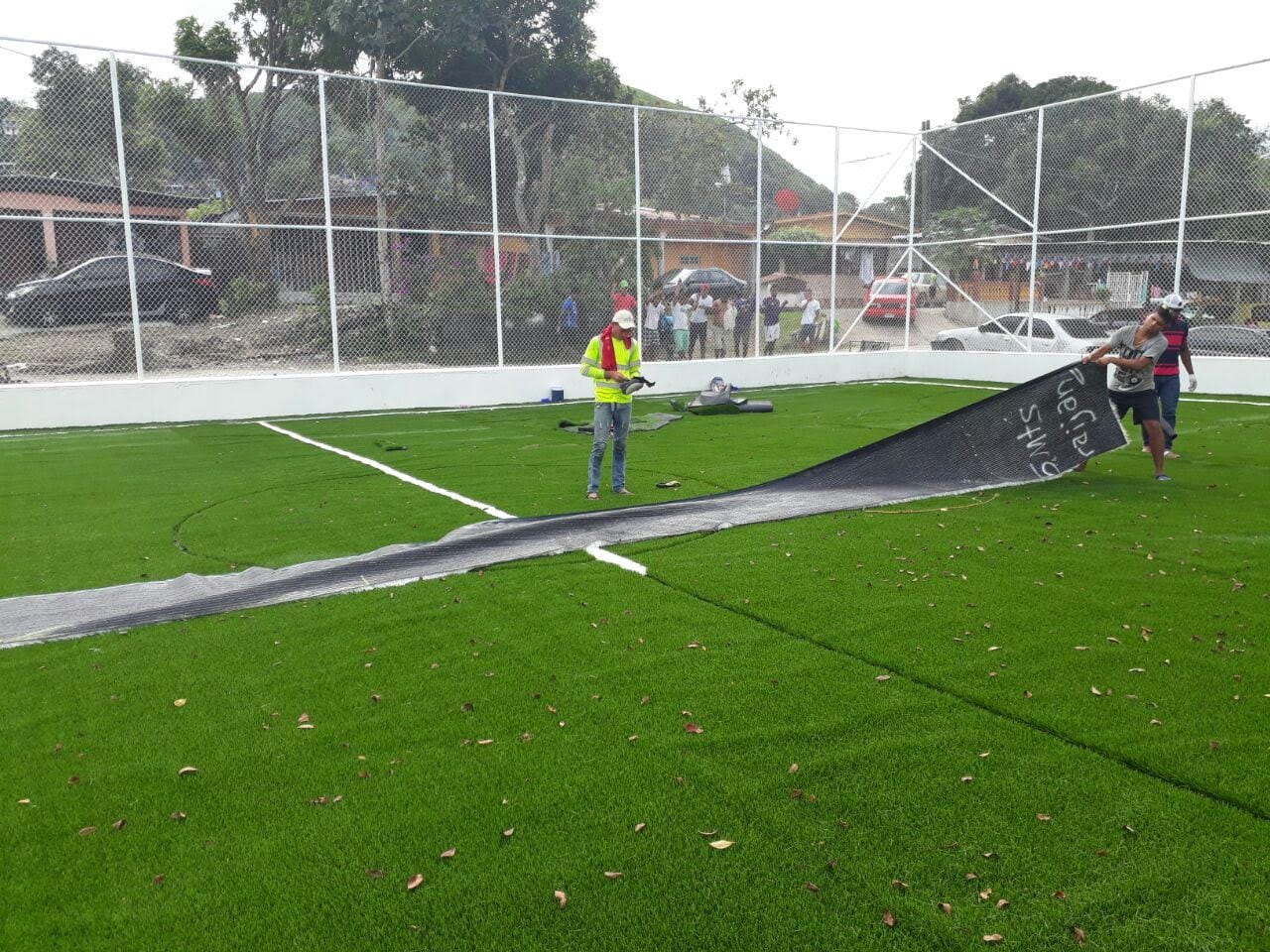
What finally worked was an arrangement that kept the troublemakers away from the sites, so we could give our attention to the people who wanted to build. Once they had room to work, they did. They knew these fields were for their own kids.
You might ask why we didn't just fire the troublemakers or show them who was boss. These were red-zone neighborhoods run by gangs of every kind. You couldn't simply command. But as the good workers started doing the job, over 90% of the troublemakers began to feel like a burden. Some quit. Others applied themselves, because they saw a way out of that life.
Most of managing people is helping them use their strengths to grow past their weaknesses.
Decide who gets your attention.
The ones who won't help themselves usually let themselves go.
We finished all three, mostly on budget. Nobody else wanted the headaches. I learned more about conflict, diplomacy and leading a crew in those months than any class taught me.
My heart still aches for communities like that one. By the end, the people who mattered weren't on the benches. They were building.
Until the next one,
J