The Showroom Made Us Look Successful
Our woodshop grew into a showroom, a crew and an office. The profit never showed up. What growth broke, and the question I would ask before adding more.

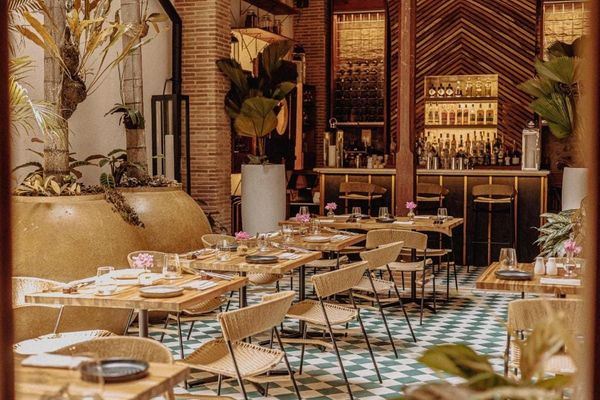
Our showroom made us look successful.
Clients walked in, saw the teak, mahogany, and all sorts of exotic wood pieces, and assumed a serious company stood behind them. They were right about the furniture.
My brother and I built furniture in Panama for ten years. It started because people assumed we were woodworkers, so we became woodworkers. We began in a house garage. Then we grew: a real shop, a crew, an office, and finally the showroom. We became one of the highest-quality bespoke furniture makers in the country, and we were proud of that work.
But every time sales went up, expenses went up with them. More space and more people meant more overhead. The profit we were working so hard for never showed up.
The craft held up. The numbers didn't.
Looking back, I can see why. Custom furniture has a low ceiling on price and an even lower one on scale. Every new piece still needed skilled hands and long hours, so growth added cost faster than it added margin. Our passion made us stubborn about it for too long. When COVID came, we closed the shop well and walked away debt-free, but the warning signs were there long before the pandemic.
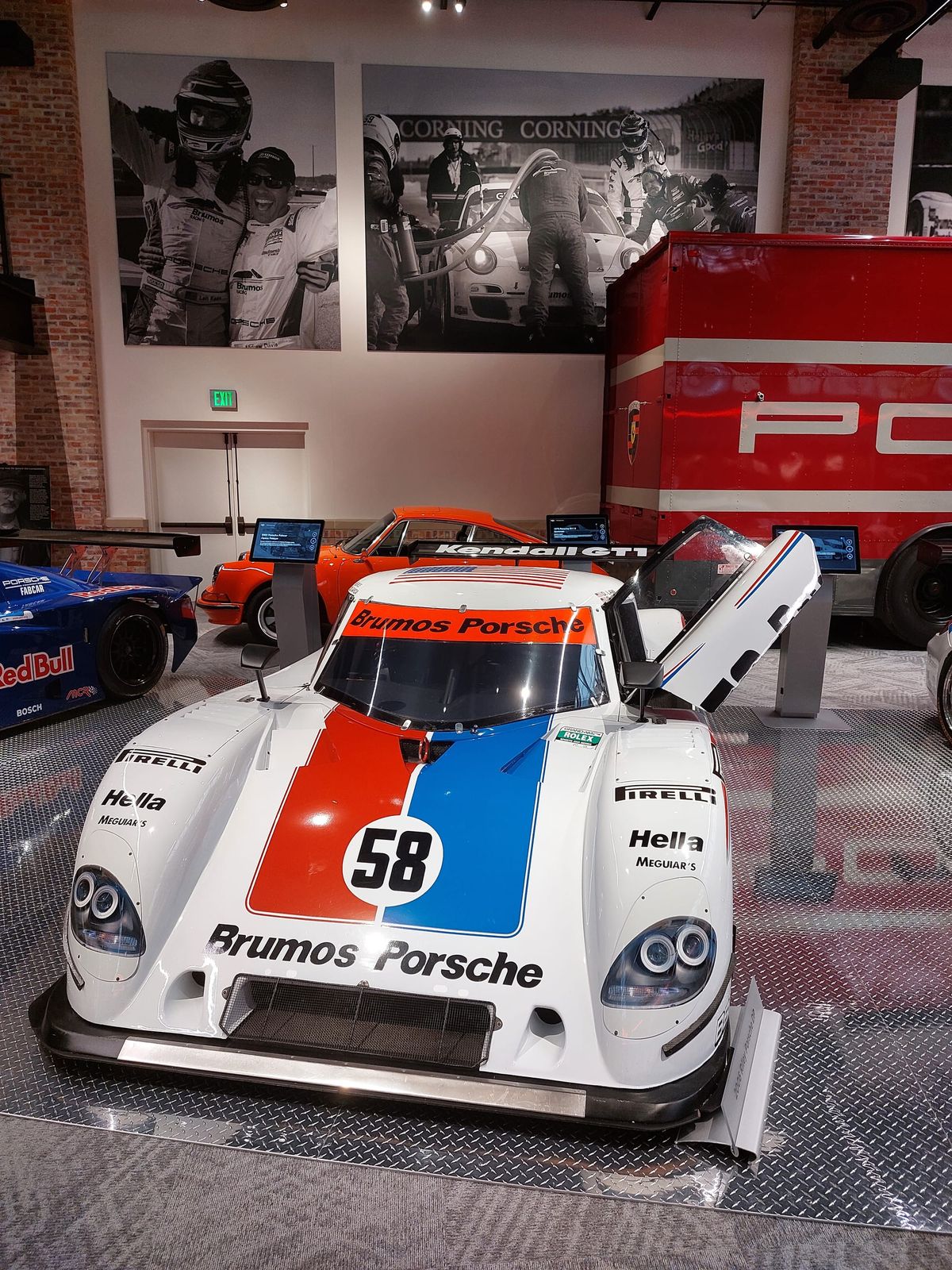
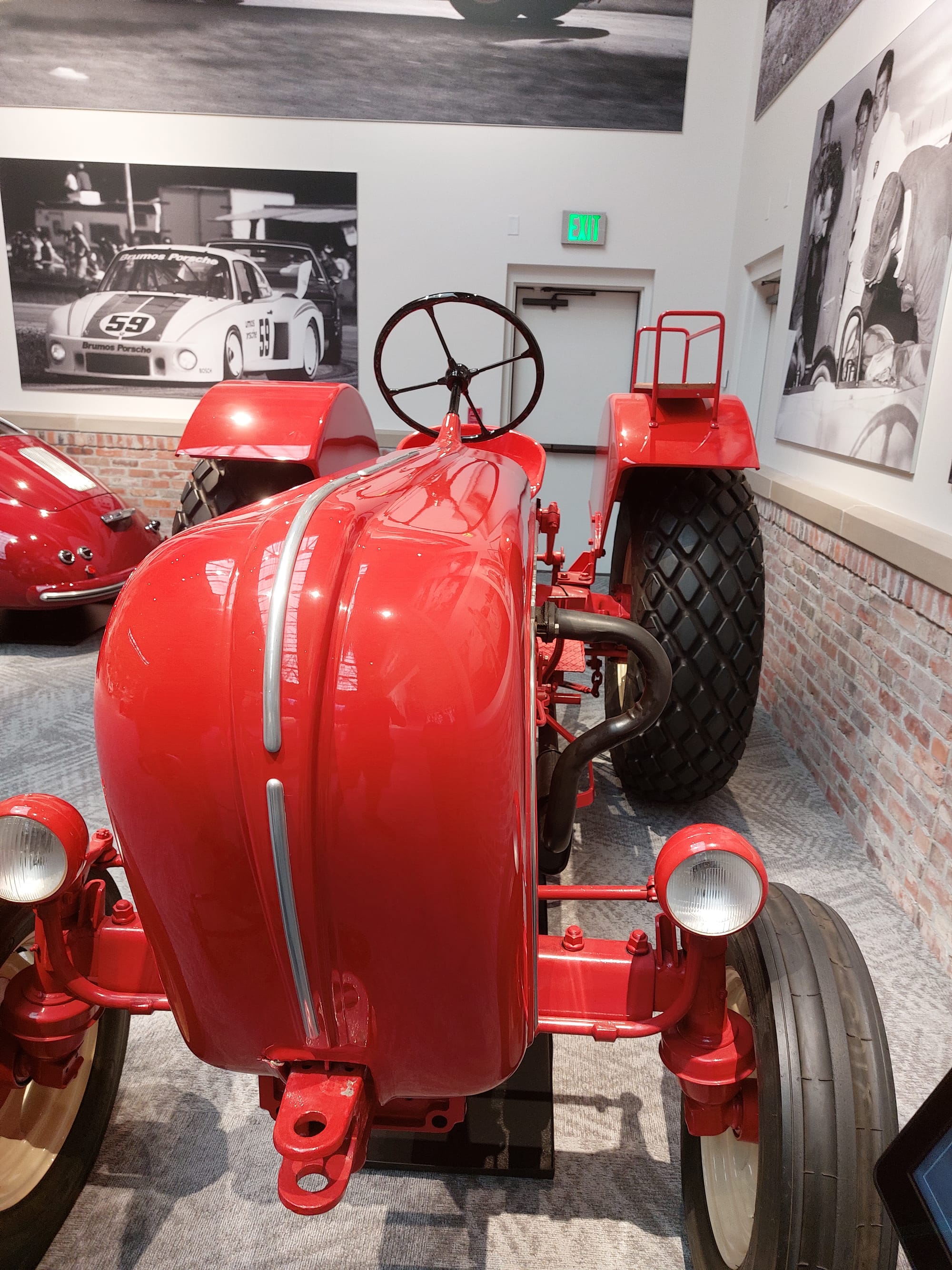
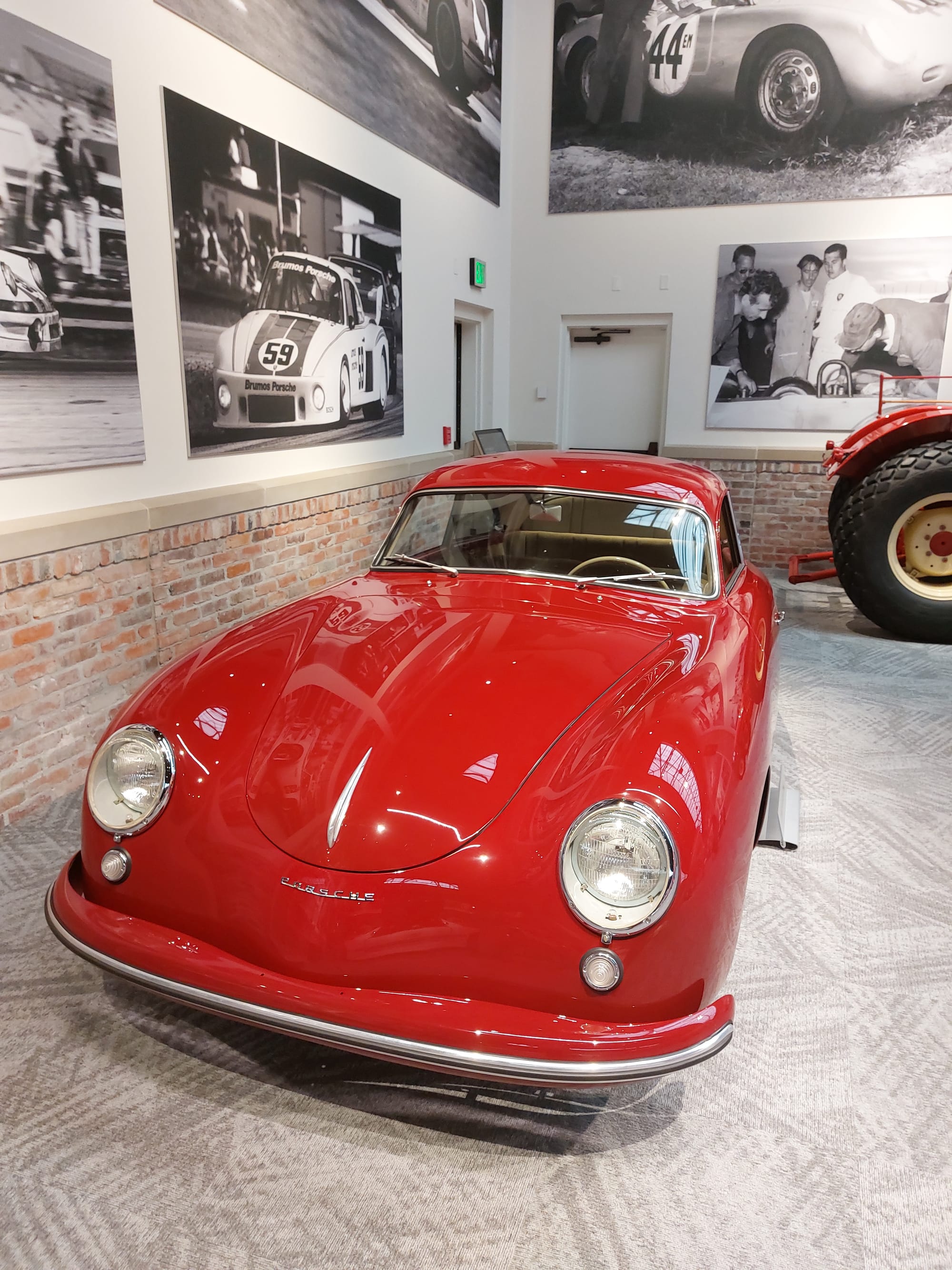
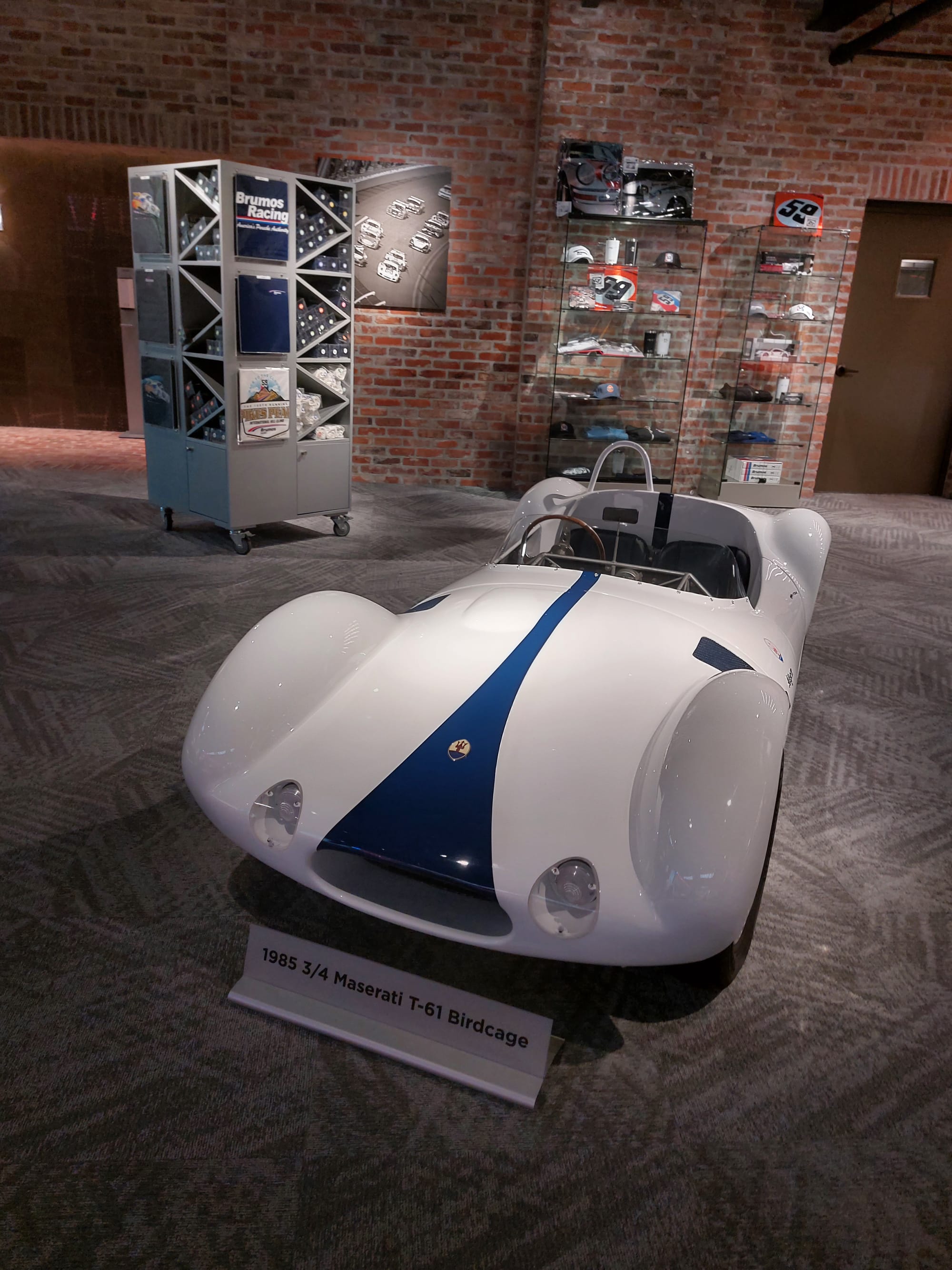
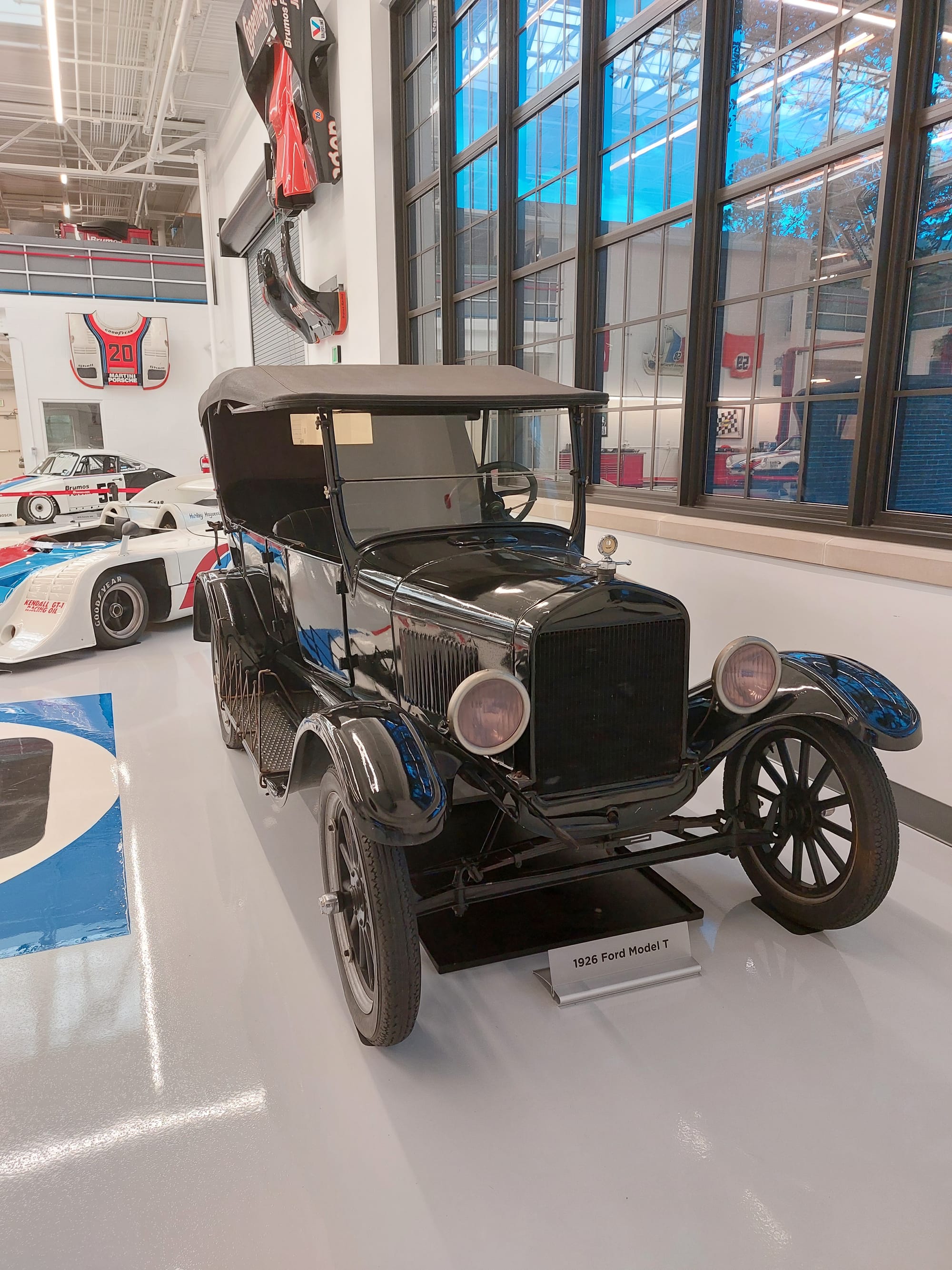
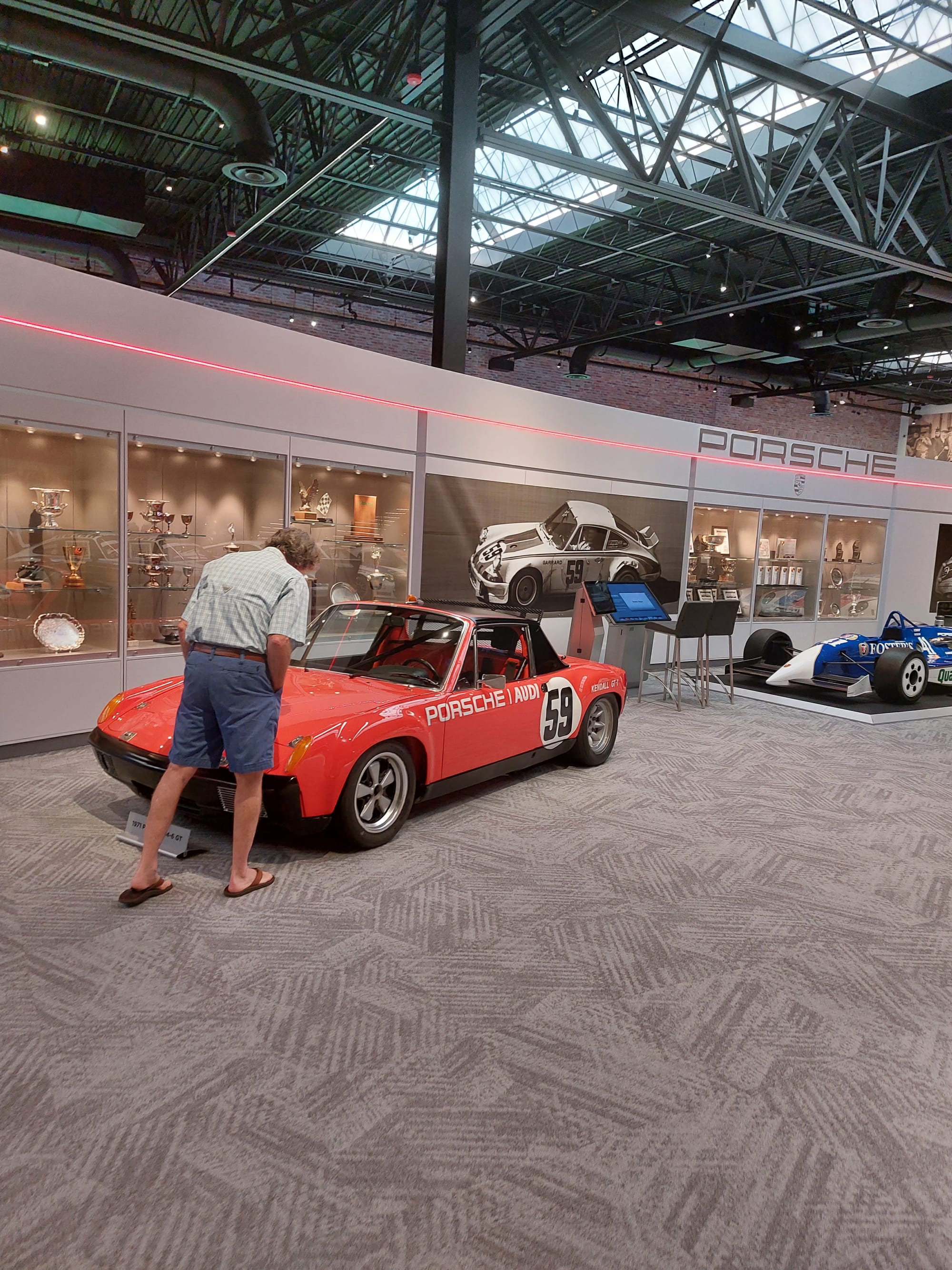
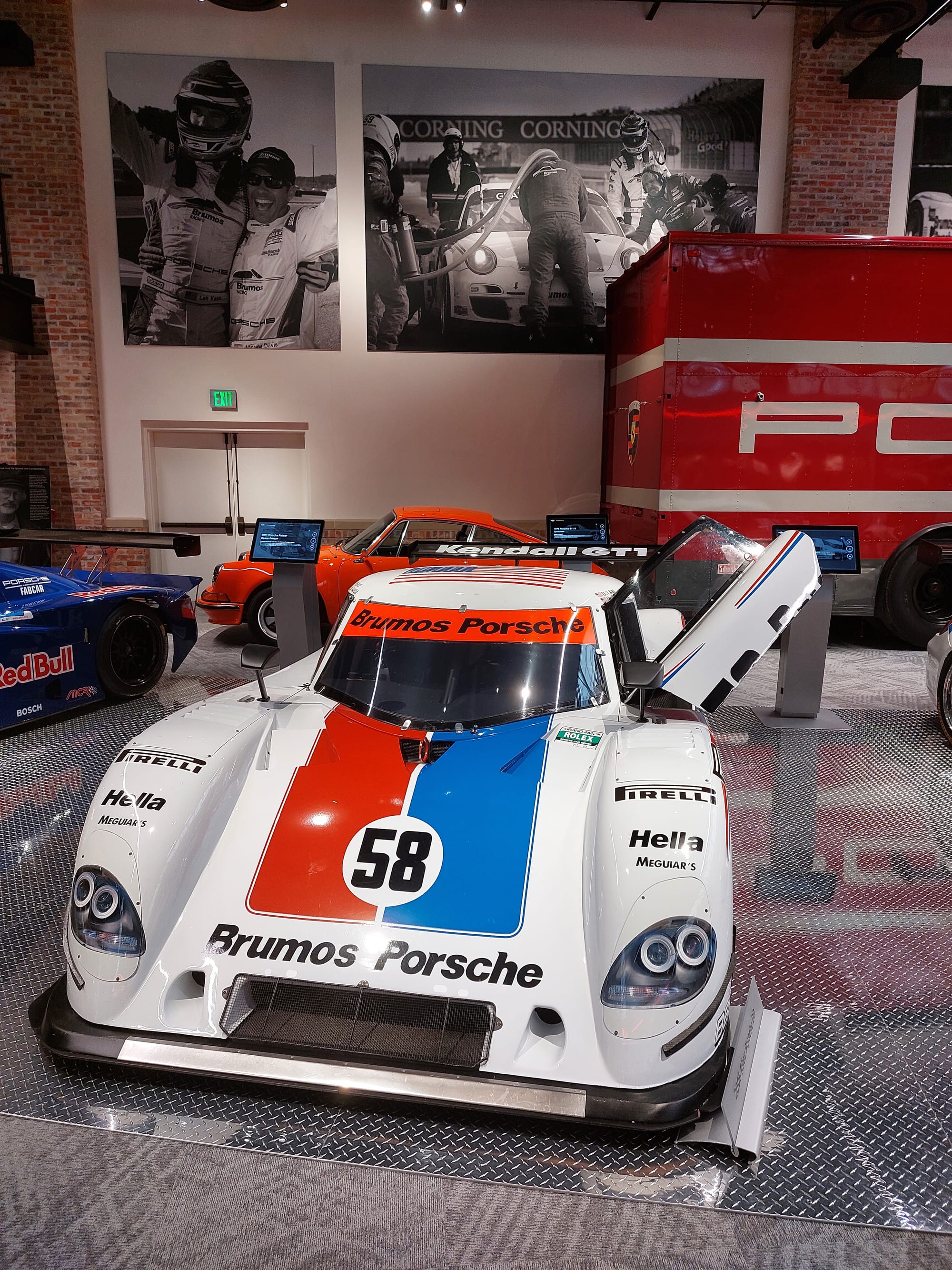
I thought about this walking through the Brumos Collection in Jacksonville, a showroom full of beautiful race cars. Ours was full of teak and mahogany. Both made people assume a serious company stood behind them (and a good showroom does help you sell, if you know how to use it).
A garage with healthy margins beats a showroom that eats them.

Until the next one,
J